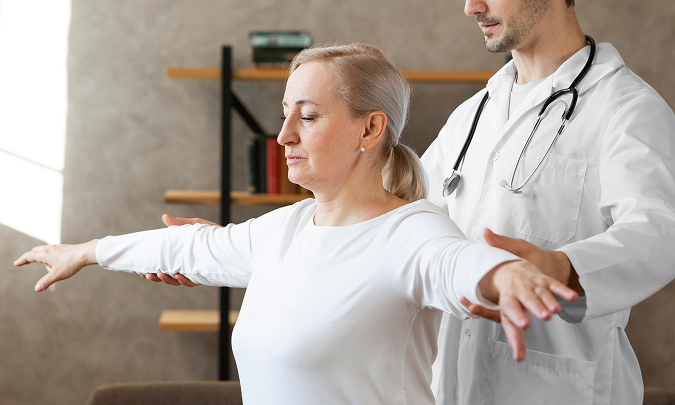
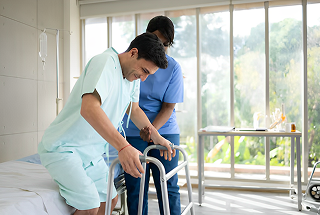
During the assessment, we evaluate:
- Joint alignment and structural positioning during static and dynamic activities
- Movement patterns involving the lower extremities, upper extremities, and spine
- Strength and stability of major muscle groups supporting functional tasks
- Proprioception and awareness of limb position during activity
- Balance and coordination during transitioning, walking, and load-bearing activities
- Compensatory strategies such as excessive rotation, weight shifting, or altered posture
- Efficiency and smoothness of motion, especially during repetitive or effortful tasks
This comprehensive approach reveals mechanical deficits that influence performance, contribute to pain, or limit job readiness. Findings also help determine whether additional testing, such as a Functional Capacity Evaluation or Validity (I-C) testing, would provide further clarity.
Who Benefits From a Biomechanical Assessment in Denver
Biomechanical assessments serve a wide range of individuals across Denver and the surrounding areas. Because these evaluations measure real movement rather than theoretical limitations, they provide meaningful insight for anyone who needs a clearer understanding of their physical capacity, recovery progress, or remaining functional deficits.
People who commonly benefit include:
- Injured workers returning to physically demanding roles or preparing for restrictions
- Industrial athletes, such as firefighters, police officers, and construction workers
- Competitive or recreational athletes recovering from injury or optimizing performance
- Individuals with chronic pain or unexplained symptoms that do not align with imaging or prior evaluation
- Employees preparing for return-to-work screenings, performance tests, or specialized job demands
- People recovering from orthopedic surgery, neurological injury, or repetitive overuse syndromes
These assessments provide targeted insight into whether the body is functioning as expected and whether additional rehabilitation, conditioning, or workplace modification is required. For employers and insurers in Denver, biomechanical evaluations help ensure that return-to-work decisions are based on objective evidence, reducing re-injury risk and supporting clear documentation.
Our Comprehensive Assessment Process
Ostherapy’s biomechanical assessment process is structured to produce clear, objective insight into how an individual moves and where functional limitations may exist. Each evaluation is personalized based on the person’s injury history, physical demands at work, athletic requirements, or specific concerns about movement. This thorough, step-by-step approach allows us to identify inefficiencies that may not appear during standard clinical examinations.
Our assessment process includes:
- Medical and functional history review to understand the nature of the injury, prior treatments, and current physical expectations.
- Static posture analysis identifying asymmetries in alignment, joint positioning, or weight distribution.
- Dynamic movement testing that observes how the body behaves during walking, lifting, reaching, bending, and transitioning between postures.
- Lower extremity evaluation focusing on the feet, ankles, knees, and hips during load-bearing activity.
- Upper extremity evaluation analyzing scapular control, shoulder mechanics, elbow motion, and wrist positioning.
- Spinal biomechanics assessment measuring alignment, stability, segmental motion, and compensatory behaviors.
- Interpretation of movement faults to determine whether limitations stem from weakness, restricted motion, poor motor control, or compensatory adaptations.
By combining structural observation with dynamic performance analysis, we provide a detailed picture of functional movement that can guide rehabilitation, return-to-work planning, or further evaluation when needed.
Lower Extremity Biomechanics: Identifying Issues in the Feet, Ankles, Knees, and Hips
The lower extremities form the foundation for nearly all functional movement, especially for Denver’s workforce, where walking, lifting, climbing, and dynamic positioning are integral to many job roles. Lower-body biomechanical deficits can contribute to pain, instability, impaired balance, and reduced performance. During the assessment, we examine how each joint and muscle group contributes to movement and whether compensatory patterns are affecting efficiency.
Common lower extremity findings include:
- Collapsed foot arches or excessive pronation affecting knee and hip alignment
- Ankle instability leading to decreased balance or altered gait mechanics
- Knee valgus or varus patterns that indicate weakness in the hips or imbalance within the quadriceps
- Hip rotation faults influencing stride length, load distribution, and lifting mechanics
- Limited range of motion at any joint that restricts functional tasks
- Asymmetrical weight-bearing that shifts demands to one side of the body
- Poor shock absorption, increasing stress on the spine during repetitive activity
We also analyze how these deficits present during functional tasks, such as squatting, stair climbing, lifting from floor level, and walking over varied surfaces. This ensures that subtle abnormalities are not overlooked and that recommendations reflect real-world activity demands.
Upper Extremity Biomechanics: Understanding Scapular Control, Shoulder Mechanics, and Grip Function
Upper extremity biomechanics play a central role in tasks such as lifting, carrying, pushing, pulling, and performing overhead or precision-based movements. For many individuals in Denver’s workforce, including healthcare professionals, tradespeople, first responders, and office workers, deficits in upper-body mechanics can contribute to shoulder pain, poor lifting performance, decreased endurance, and long-term functional limitations. A biomechanical assessment helps identify whether these issues stem from weakness, instability, limited mobility, or compensatory strategies.
During the upper extremity evaluation, we analyze:
- Scapular positioning and movement, which form the foundation for efficient shoulder mechanics
- Shoulder stability and control during reaching, carrying, and overhead activity
- Elbow alignment and motion to detect overuse patterns or asymmetrical engagement
- Wrist and hand mechanics, particularly during grip-intensive tasks or repetitive movements
- Coordination and sequencing of upper-body muscle groups during lifting and pushing activities
- Compensatory behaviors, such as shoulder hiking or trunk lean, that indicate underlying weakness
These findings help clarify why certain tasks may be difficult or painful and whether the individual is likely to experience re-injury if returning to a physically demanding role. For individuals preparing for sport or performance-based evaluations, upper extremity analysis also supports targeted conditioning programs designed to improve strength, control, and movement efficiency.
Spinal Biomechanics: Stability, Alignment, and Core Function
Spinal biomechanics influence nearly every functional activity, from bending and lifting to walking and transitioning between postures. Proper spinal alignment and core stability help distribute forces evenly throughout the body, protect the lumbar segments, and maintain balance during dynamic tasks. When spinal mechanics are compromised, individuals may experience reduced lifting tolerance, impaired mobility, increased pain, and difficulty performing job duties safely.
During the spinal portion of the biomechanical assessment, we observe:
- Segmental motion of the cervical, thoracic, and lumbar spine
- Core muscle activation, particularly the transversus abdominis and obliques
- Stability during loaded and unloaded movements
- Alignment deviations, such as excessive flexion or lateral bending during lifting
- Compensatory use of the rectus abdominis, which often indicates insufficient deep core engagement
- Coordination between upper and lower extremity movement, reflecting whole-body control
We also evaluate how spinal alignment affects other areas of the body. For example, excessive lumbar flexion during lifting may result from hip weakness, while overuse of the thoracic spine during reaching may indicate limited shoulder mobility. These interconnected findings provide a comprehensive understanding of how the spine contributes to overall functional performance and where targeted intervention may be needed.
How Biomechanical Findings Inform Treatment, Performance, and Work Decisions
One of the most valuable aspects of a biomechanical assessment is its ability to translate technical movement findings into practical, actionable recommendations. By identifying the exact source of movement faults, whether weakness, poor motor control, limited flexibility, or compensatory patterns, clinicians, employers, and legal professionals gain clear insight into how these deficits affect real-world functioning. This information is essential for guiding rehabilitation, workplace accommodations, return-to-work decisions, and performance improvement plans.
Biomechanical findings help inform:
- Rehabilitation direction: Targeted exercises can be prescribed to correct specific weaknesses or mobility restrictions identified during the assessment.
- Workplace restrictions or modifications: If certain movements place excessive stress on the spine, shoulders, or lower extremities, work tasks can be adapted accordingly.
- Return-to-work readiness: Objective findings clarify whether an individual can safely perform essential job demands common throughout Denver industries.
- Injury-prevention strategies: Identifying poor mechanics early helps reduce the risk of future injuries, especially for individuals in physically demanding roles.
- Athletic performance goals: For athletes, addressing subtle inefficiencies can improve speed, power, coordination, and overall sport performance.
Because biomechanical assessments provide objective data tied directly to functional movement, they help ensure that decisions regarding work capacity, rehabilitation plans, or performance expectations are grounded in accurate, evidence-based analysis.
Integrating Biomechanical Assessments With FCEs and Other Evaluations
Biomechanical assessments become even more powerful when combined with other objective testing methods, particularly Functional Capacity Evaluations (FCEs), Performance Evaluations, and Validity (I-C) testing. Each evaluation provides a different layer of insight. Together, they create a comprehensive understanding of an individual’s physical abilities, movement patterns, and consistency of effort. This integrated approach is especially valuable in Denver’s varied workforce, where job demands often require coordinated strength, endurance, and biomechanical precision.
A biomechanical assessment enhances other evaluations by:
- Clarifying the source of functional limitations observed during an FCE
- Identifying subtle movement deficits that may affect performance during job-specific testing
- Highlighting compensatory patterns that could influence return-to-work recommendations
- Providing targeted information that strengthens the accuracy of Validity (I-C) results
- Supporting more precise vocational ratings by explaining why certain tasks may be limited
For high-functioning individuals such as firefighters, police officers, construction workers, and athletes, combining biomechanical analysis with performance-based evaluations improves the accuracy of disability ratings and ensures safe return-to-duty decisions. When used within legal or administrative cases, this layered approach provides attorneys and insurers with clearer, more defensible evidence.
Why Professionals Across Colorado Choose Ostherapy for Biomechanical Analysis
Ostherapy has established itself as a trusted resource for biomechanical evaluations because our approach is grounded in objective measurement, decades of clinical experience, and a deep understanding of how movement influences functional capacity. For more than 25 years, our team has worked with attorneys, insurers, employers, healthcare providers, and individuals across Colorado to identify meaningful patterns of motion that directly impact recovery, performance, and return-to-work outcomes.
Professionals rely on us because we provide:
- Extensive clinical expertise in assessing complex movement patterns and identifying the underlying cause of dysfunction
- Objective, reproducible evaluations that withstand scrutiny in legal, administrative, and medical settings
- Experience with high-functioning and industrial populations, including firefighters, police officers, construction workers, and athletes
- Clear documentation that explains how biomechanical issues affect work, daily activities, and long-term physical demands
- Integration with FCEs, medical records reviews, and other assessments, ensuring a complete and defensible picture of functional ability
- Bilingual evaluation capability, allowing accurate communication with a broader range of individuals throughout Denver and the surrounding regions
This level of detail and objectivity helps ensure that every recommendation, from restrictions to rehabilitation strategies, is grounded in reliable evidence and tailored to real-world demands.
Contact Ostherapy Today to Schedule a Biomechanical Assessment in Denver
A biomechanical assessment offers clarity when symptoms persist, performance declines, or return-to-work decisions require more precise information. Whether you are an injured worker preparing for a demanding job, an athlete seeking to optimize movement, or a legal or insurance professional needing objective documentation, Ostherapy provides comprehensive biomechanical evaluations tailored to your needs. Our assessments help identify the true source of functional limitations and guide meaningful next steps in treatment, performance planning, or case resolution.